For the last two years my wife and I have been privately taking ASL (American Sign Language) lessons. We are far from fluent but we’re also well beyond introductions and names. And something that you might wonder is, “are there accents and dialects in signed languages?”.
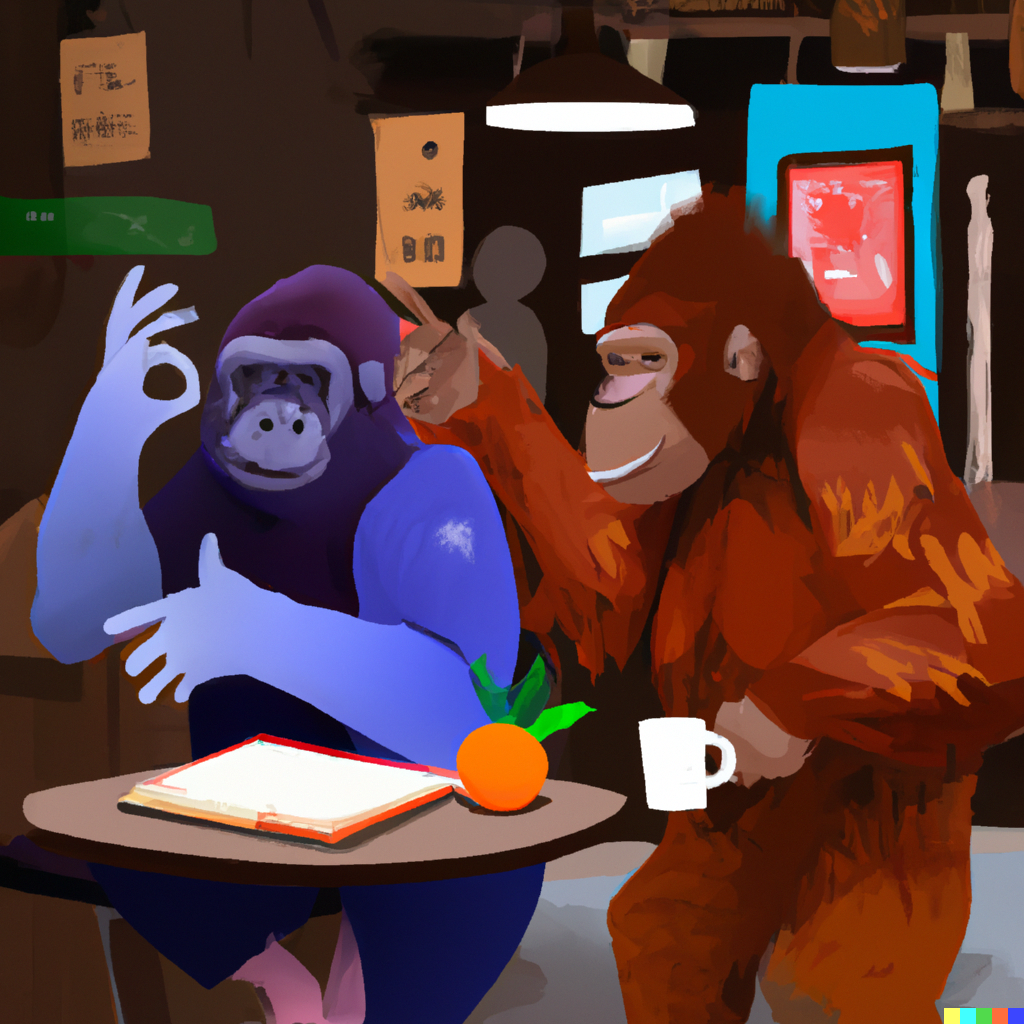
First, let’s break down a sign
An ASL sign is broken into 5 parts (called parameters):
- Placement
- where on the body; e.g. chest, lips, upper or lower part of your head.
- Movement
- how the sign moves; e.g. towards your body, away, circular
- Palm Orientation
- where the palm is facing; e.g. down, up, facing the body, away from the body
- Hand Shape
- the actual thing the hand is doing; e.g. two fingers sticking straight up, index and pinky touching
- Non-manual Markers
- stuff you’d do with other parts of your body; e.g. raising your eyebrows or sticking out your tongue
So how do dialects and accents work?
In the dialects there are often different hand-shapes for the same “word”. This could mean different ways for saying “soda/pop”, animal names, etc. Pretty much like how a spoken language could work.
As for accent, this is placement and/or movement. For example, different deaf and hard-of-hearing communities may show the signs for milk and orange slightly in slightly different parts of the body. Maybe the sign for apple touches the face for one community, but another doesn’t.
This probably has to do with the fact that deaf instruction is in short supply, so signers often learn from the same people and places. Add to that the fact that the Deaf and HoH (Hard of Hearing) community is very tight-nit; they all seem to know each other (at least that’s how it seems to be in central Illinois).